Los Angeles Pedestrian Accident Lawyer
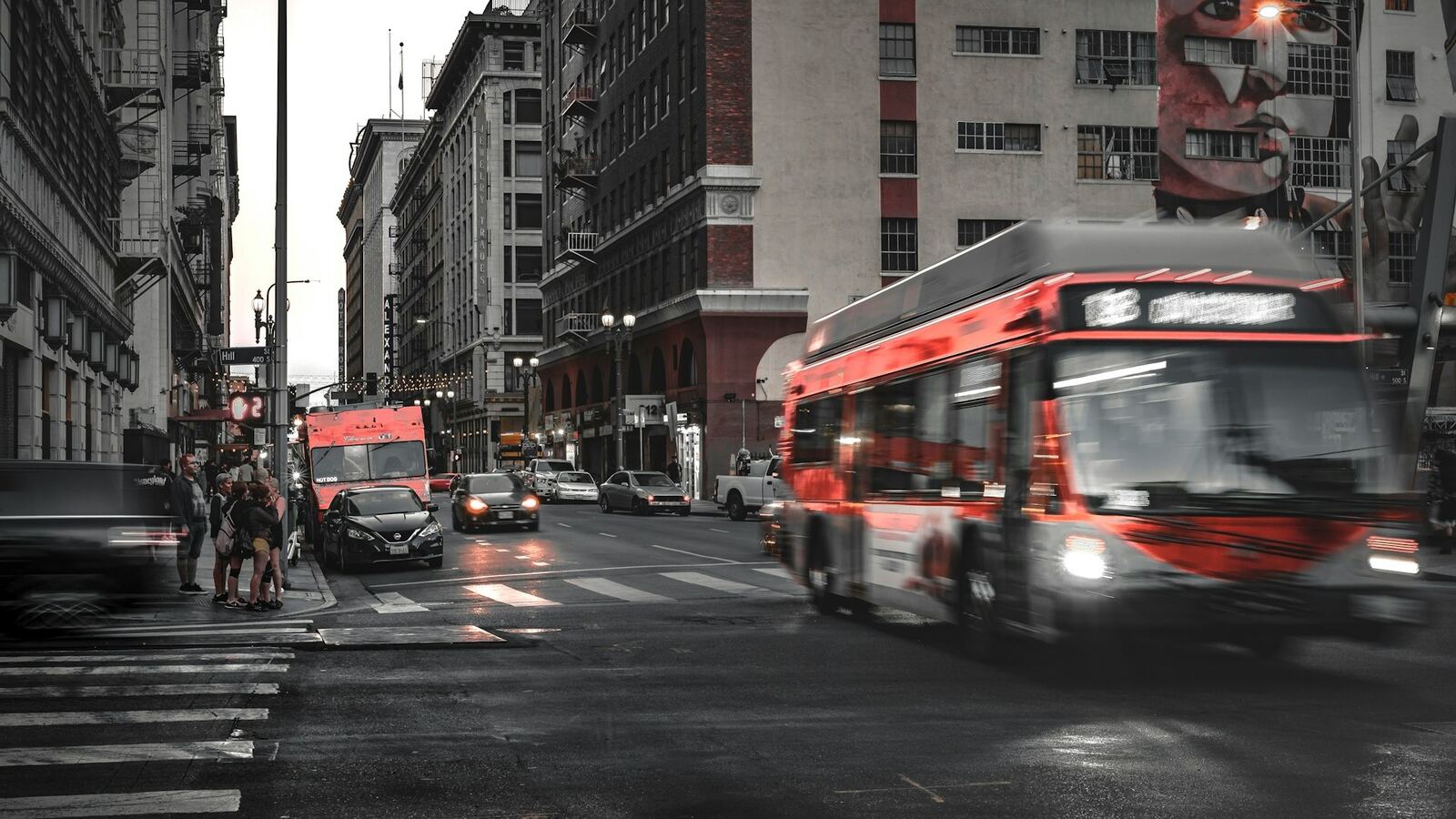
Los Angeles is one of the most dangerous cities in the country to cross a street. Wide arterial roads, long distances between signals, drivers turning across crosswalks, and dim lighting on side streets combine to put people on foot in front of vehicles that weigh two tons or more. A pedestrian struck at even moderate speed has nothing between them and the impact, which is why these cases so often involve broken bones, head injuries and long hospital stays.
If you or a family member was hit while walking in Los Angeles, Blackrock Law Group can explain your rights and take the pressure of the insurance process off you. Attorney Brandon Aminpour began his career defending insurance companies in exactly these claims, so he knows how the other side builds a file and how it decides what a case is worth.
California law gives pedestrians the right of way, with limits
Under California Vehicle Code section 21950, a driver must yield the right of way to a pedestrian crossing in a marked crosswalk or in an unmarked crosswalk at an intersection. The same statute also tells pedestrians not to leave a curb suddenly into the path of a vehicle that is close enough to be a hazard, and it makes clear that having the right of way does not relieve anyone of the duty to use ordinary care.
That balance is where most disputes live. An insurer will rarely admit its driver simply failed to look. Instead it argues that you stepped out unexpectedly, wore dark clothing, crossed mid-block, or looked at your phone. California uses pure comparative fault, so even when part of the blame lands on the pedestrian, you may still recover compensation reduced by that percentage. Getting that percentage right is often worth more than any other single issue in the case.
How these crashes usually happen
- Left-turning vehicles. A driver watches for a gap in oncoming traffic and turns across a crosswalk without ever looking at the person already in it.
- Right turn on red. The driver rolls forward while looking left for cross traffic, into a pedestrian stepping off the near curb.
- Parking lots and driveways. Low speeds, poor sightlines and vehicles reversing out of stalls, which frequently injure children and older adults.
- Mid-block crossings on wide streets. Long blocks with no signal encourage crossings where drivers do not expect anyone on foot.
- Hit and run. Los Angeles has a high rate of drivers who leave the scene, which changes the case into one about identification and uninsured motorist coverage.
Evidence disappears quickly in pedestrian cases
There is usually no vehicle damage to inspect on your side and no dashcam pointed at you, so the record has to be built from the surroundings. Signal timing data, crosswalk paint and lighting conditions, nearby business and residential camera footage that overwrites within days, 911 audio, the drivers' phone records, and the physical evidence of where the shoes, debris and blood trail landed all matter. We move early to preserve that material, because once the footage cycles and the scene is repaved or repainted, a case that could be proven becomes a case that turns on memory.
What a pedestrian injury claim can include
Recoverable damages generally include emergency and ongoing medical treatment, surgeries and rehabilitation, future care that a physician can document, lost income and lost earning capacity, out-of-pocket costs, and non-economic damages for pain, disfigurement and loss of the ability to do things you did before. Where a family member has died, California's wrongful death statute allows surviving relatives to bring a claim, and a survival action can cover certain losses to the estate.
Coverage is often the harder question. The driver's liability policy may be far too small for a serious injury. We look for additional sources, including your own uninsured and underinsured motorist coverage, medical payments coverage, an employer's policy where the driver was working, and in some cases a public entity where a dangerous roadway condition contributed to the crash. Claims against a public entity in California can require a written claim within six months, which is much shorter than the two-year deadline that applies to most injury cases.
Deadlines
Most California personal injury claims must be filed within two years of the injury under Code of Civil Procedure section 335.1. Claims involving a city, county or state agency generally require a government claim within six months. Cases involving an injured child follow different timing rules. Because the applicable deadline depends on who is responsible, it is worth confirming yours early rather than assuming.
Working with our firm
You speak with the attorney handling your case, not only staff. The consultation is free, we take pedestrian injury cases on a contingency basis so there are no attorney fees unless we win, and clients may still be responsible for case costs. We will tell you honestly if we think the claim is small, or if the coverage available means litigation is not in your interest.
If you were struck while walking anywhere in Los Angeles County, call (323) 879-9777. We answer the phone around the clock.