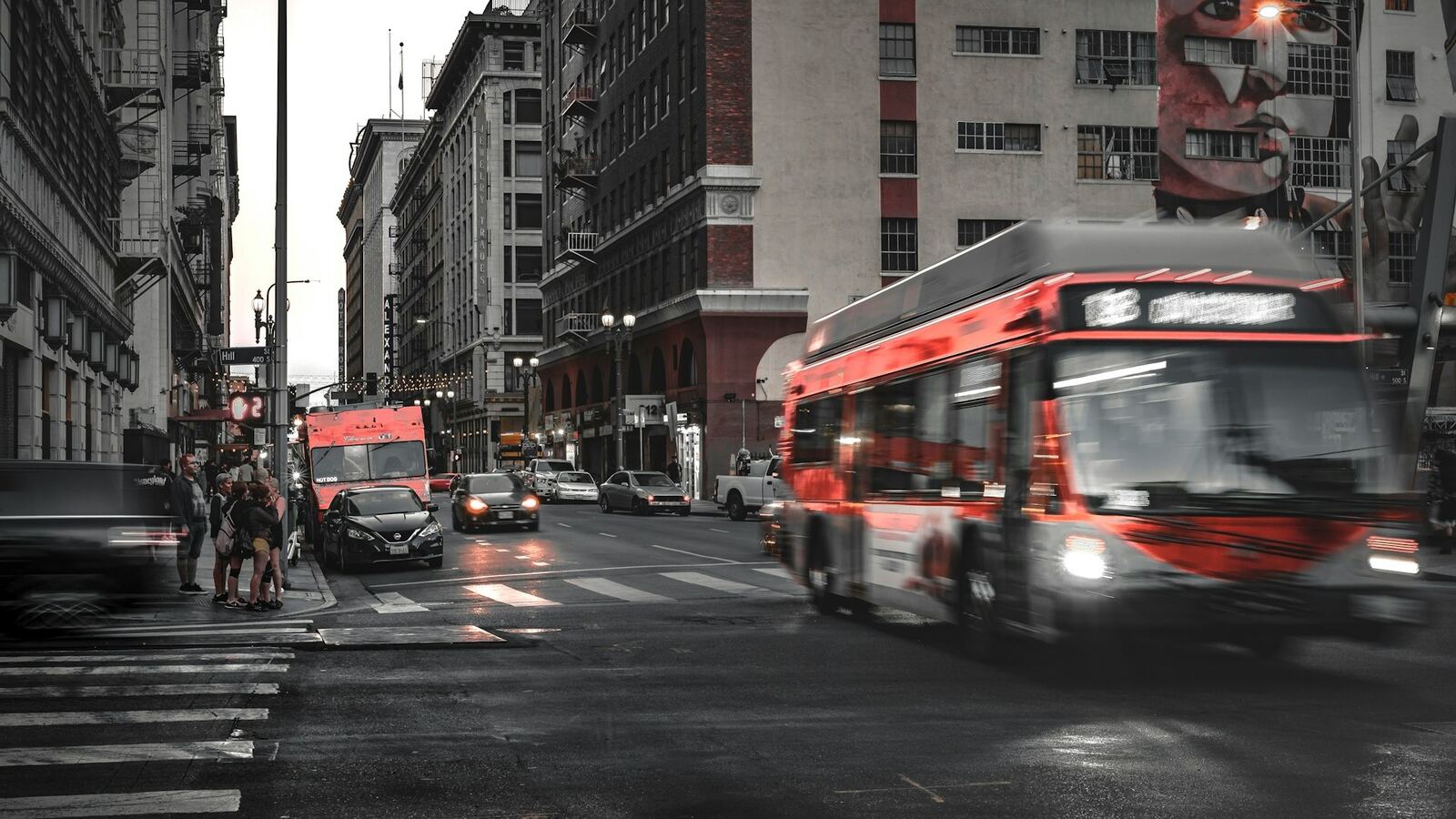
Los Angeles Bus Accident Lawyer, What We Want You to Know
When a bus crash turns your day upside down, the fallout can hit every part of your life. We know that can mean a hurt passenger, a struck pedestrian, an injured cyclist, a driver in another vehicle, or a parent trying to make sense of a child's injuries. In Los Angeles, bus accident cases often feel overwhelming because they usually involve more than one insurance policy, more than one company, and more than one version of what happened.
Unlike a routine car wreck, a bus accident may involve LA Metro, a school district, a private charter line, a shuttle operator, a maintenance vendor, or another negligent driver. California sees tens of thousands of bus crashes each year, and a meaningful share cause serious harm. When injuries are severe, the value of a claim can rise fast because medical costs, lost income, and long-term care can add up quickly.
We also want readers to know that buses are treated as common carriers in California, so they owe passengers a very high duty of care. That higher legal standard can matter a lot. In this article, we explain who may be liable, why government claims can face very short deadlines, what evidence helps prove fault, what damages may be available, and how we help protect your rights from day one.
Why Los Angeles bus accident cases are more complex than most injury claims
Bus accident claims rarely fit into a simple insurance box. In Los Angeles, one crash can involve a city agency, a private operator, a school system, outside contractors, and a second driver, all at once. That means the legal path often changes based on who owned the bus, who employed the driver, and what rules applied that day.
For injured passengers and families, this can feel like trying to solve a puzzle with pieces from different sets. We look at the whole picture early because the type of bus often shapes the deadline, the evidence, and the pool of available insurance or public funds.
Public buses, school buses, and charter buses follow different legal rules
Not every bus case starts from the same place. A claim against LA Metro or another public transit agency is not handled like a claim against a private charter line. If a government agency runs the bus, special claim rules often apply, and the deadline can be much shorter than the normal timeline in a standard injury case.
That matters more than most people realize. In California, many public entity claims must be presented within six months, while many other personal injury claims allow more time. If that deadline passes, a strong case can become much harder to pursue.
Private bus claims usually follow a more familiar path, but they still bring added layers. A charter company or tour operator may have a commercial policy, a separate maintenance vendor, and internal safety records that need to be preserved fast. In addition, commercial buses must follow safety rules that can help show fault if the company ignored them.
School bus cases can be even more layered because several parties may be tied to the same event. Depending on the facts, the claim may involve:
- A public school district, if it owned or operated the bus
- A private transportation contractor, if the district outsourced service
- The bus driver, if driver error played a role
- Another at-fault motorist, if a separate vehicle caused the crash
Sometimes parents assume a school bus case is just a claim against the school. Often, it isn't that simple. A district may set routes and policies, while a contractor handles hiring, training, or maintenance. Meanwhile, another driver may have caused the impact in the first place. We sort those lines out early because each one can affect where compensation comes from.
App-based shuttle services also add a newer layer to Los Angeles transportation claims. These can include airport shuttles, hotel shuttles, employee transport, or tech-based ride platforms that operate like a bus or van service. As a result, a case may blend features of a bus claim and a rideshare claim, especially when digital trip records, app status, or layered insurance come into play.
The label on the vehicle matters less than the legal structure behind it.
That is why bus cases need a close review from the start. Two crashes may look similar at the scene, but the legal rules can be very different once we identify who ran the vehicle and under what authority.
More than one party may be responsible for the same crash
A bus accident often has multiple paths to fault. While one person may have caused the first mistake, several others may share legal blame for what happened or for how bad the injuries became. That is one reason these cases are more complex than a typical two-car collision.
Here are some of the parties we often investigate in plain terms:
- The bus driver, for unsafe driving, distraction, fatigue, or poor judgment
- The bus company, for bad hiring, weak training, or unsafe policies
- A transit agency, if a public system owned or operated the bus
- A maintenance contractor, if poor repairs or skipped inspections played a part
- A school district, if it controlled the route, bus, or transportation plan
- Another driver, if a car or truck triggered the crash
- That driver's employer, if the driver was working at the time
- A manufacturer, if brakes, tires, doors, or another part failed
This matters for one simple reason: one source of recovery may not be enough. A badly injured person may face hospital bills, rehab costs, time away from work, and long-term care needs. If we only look at one policy, we may miss another company, agency, or insurer that should also be held responsible.
For example, imagine a school bus is struck by a delivery van. The van driver may be at fault, but that may not be the end of the story. If the van driver was on the clock, the employer may also be liable. If the bus had worn brakes, the maintenance provider may matter too. If the school district hired a private contractor with poor safety records, that can become part of the case as well.
In other words, bus crash claims are rarely a one-door entry. They are more like a hallway with several doors, and each one may lead to evidence, insurance, or legal responsibility. We identify those doors early because delay can cost a client real money, especially if records disappear or one insurer tries to shift blame to another.
Most of all, early investigation protects your options. When we move quickly, we can preserve driver logs, maintenance records, onboard video, route data, witness accounts, and digital records before they are lost. That early work often makes the difference between a weak claim and a fully developed one.
What causes bus accidents in Los Angeles, and who may be at fault
Bus crashes in Los Angeles usually do not happen for one simple reason. More often, they come from a chain of bad choices, weak safety practices, or roadway problems that build into a serious event. That matters because fault may fall on more than the driver alone.
We look at bus accidents this way because the cause often points straight to the right defendant. A careless turn may put the driver in the spotlight, while worn brakes or poor supervision may shift blame toward the company, a contractor, or even a public agency. In other words, the cause of the crash often shapes the whole claim.
Driver mistakes, unsafe stops, and sudden braking can seriously hurt passengers
Many bus accident claims start with basic driving errors. A bus is large, heavy, and slow to stop, so even one poor decision can hurt a lot of people at once. When a driver looks at a phone, drives while tired, speeds through traffic, follows too closely, or changes lanes without enough space, the risk rises fast.
Some of the most common driver-related causes include:
- Distracted driving: Looking away for even a few seconds can lead to a rear-end crash, missed signal, or late stop.
- Fatigue: A tired driver has slower reactions and worse judgment, especially in dense LA traffic.
- Speeding: Buses need more room to stop, so extra speed can turn a close call into a major collision.
- Following too closely: Tailgating leaves little time to react when traffic suddenly slows.
- Improper turns and unsafe lane changes: Wide turns, blind spots, and rushed merges can strike cars, cyclists, or pedestrians.
- Failure to yield: Intersections are a common danger point, especially when drivers rush lights or ignore cross traffic.
Passengers often suffer injuries even when the bus does not hit another vehicle. That's because abrupt braking can throw a seated rider forward or send a standing rider to the floor. On a crowded city bus, one hard stop can act like a whip through the aisle.
A sudden stop is not always just "part of the ride." If poor driving caused it, the injured passenger may still have a valid claim.
These cases are common, and bus companies often try to defend them by saying the driver had to react to an emergency. Sometimes that is true. But not every so-called emergency is real. If the driver caused the danger by speeding, following too closely, or failing to watch the road, the stop may still support a claim.
We also look closely at the seconds before the stop. For example, did the driver miss traffic slowing ahead? Did the bus pull away from the curb too fast? Did the driver make a sharp turn while riders were still standing? Facts like these can show that the injury came from poor operation, not bad luck.
In some cases, the same facts also overlap with other large vehicle claims, especially when a bus collides with a commercial vehicle. If that happened, our page on handling large vehicle accidents gives more context on how fault and insurance issues can expand.
Poor maintenance, bad training, and road hazards can also lead to a bus crash
Not every bus accident starts with the person behind the wheel. Sometimes the real problem sits in the garage, the dispatch office, or the road itself. When a bus company skips inspections, delays repairs, or puts an unprepared driver on the road, the whole system becomes less safe.
Mechanical problems can make a bus dangerous even before the trip begins. We often investigate issues such as brake failure, tire blowouts, steering trouble, worn suspension parts, faulty doors, and other neglected components. Because buses carry many passengers at once, even a small defect can have a big impact when traffic tightens or the driver must react quickly.
Training and supervision matter too. A bus driver should know how to handle blind spots, safe stopping distances, turns, crowded pickup zones, and passenger movement inside the bus. If a company cuts corners on training, ignores complaints, or keeps unsafe drivers on the road, that can open the door to a claim against the carrier, not just the operator.
Road conditions may add another layer. In Los Angeles, some crashes involve unsafe intersections, poor lane design, missing signs, bad signal timing, potholes, or roadway defects that make bus travel more dangerous. If a poorly designed stop forces riders into traffic, or a road defect helps trigger a loss of control, the agency in charge of that road may share fault.
Here's the practical takeaway. The defendant list may grow when the facts show more than driver error. Depending on what happened, we may look at:
- The bus company or transit operator, for poor hiring, weak training, bad supervision, or skipped maintenance
- A maintenance vendor, for careless inspections or faulty repair work
- A parts maker, if a tire, brake, or steering component failed
- A city, county, or public agency, if road design or roadway upkeep played a role
That broader view matters because bus accident cases often involve multiple liable parties, and public entity claims can come with much shorter deadlines. So while the crash may look simple at first glance, the real cause may sit far beyond the driver's seat.
If LA Metro or another public agency was involved, the deadline can be only six months
This is one of the biggest traps in a Los Angeles bus accident case. Most people have heard that California personal injury claims often have a two-year deadline. That's generally true for many injury lawsuits, but claims against a public agency often move on a much shorter clock.
If LA Metro, a city bus system, or another public transit agency was involved, you may need to act within six months of the injury. Miss that window, and your case can fall apart before it really starts.
How the government claim process works after a public transit bus accident
If you were hurt on an LA Metro bus, your first step is usually not filing a lawsuit. Instead, you often must file a government claim with the right public entity. That can be LA Metro, the City of Los Angeles, a school district, or another transit agency, depending on who owned, ran, or controlled the bus.
That sounds simple, but it often isn't. One bus crash can involve more than one public body, and sending a claim to the wrong place can cost you time you don't have.
In general, the process looks like this:
- Identify the public agency tied to the bus, driver, route, or roadway.
- File a formal claim within the legal deadline, which is often six months from the date of injury.
- Wait for the agency's response, which may be an approval, a rejection, or no response at all.
- Move to court if needed, but only after that claim step is handled properly.
Think of it like a locked gate. Before you can get into court, you usually have to use the right key first. In these cases, that key is the government claim.
In a public bus accident case, filing late is often fatal to the claim.
So, what should you do right after an LA Metro injury? Get medical care, report the incident, keep any records you have, and move fast to find out which agency must receive the claim. Even a strong case can be lost if the deadline passes.
Why fast legal action protects your case and your evidence
Speed matters here for two reasons, deadlines and proof. A short claim period can close fast, especially when you're trying to recover from injuries, deal with work, and sort out medical care. At the same time, the best evidence often starts fading right away.
For example, bus surveillance footage may be erased. Driver reports can change the story. Witnesses forget details. Maintenance records, dispatch logs, and route data can become harder to get with each passing day.
That's why we move quickly. When we take a case, we act right away to protect the claim and preserve evidence, often the same day we're hired. That early work can include sending claim notices, identifying the right agency, and taking steps to hold onto the records that may prove fault.
California also follows pure comparative negligence. So even if the transit agency or insurer says you were partly at fault, that doesn't automatically end your claim. It may affect the amount of recovery, but it does not always block the case. Still, none of that matters if the deadline is missed.
In short, time is not on your side after a public transit crash. The sooner action starts, the better your chance of protecting both your rights and the evidence behind them.
The injuries, evidence, and compensation that often shape a bus accident lawsuit in Los Angeles
A bus accident claim is often built on three things, the harm, the proof, and the losses that follow. If one of those pieces is weak, the whole case can suffer. If all three are documented well, the claim stands on much firmer ground.
In Los Angeles, that matters even more because bus crashes often involve public agencies, private carriers, school districts, or contractors. We look at the injuries closely, move fast to protect evidence, and connect the facts to the full value of the case.
Common bus accident injuries can range from whiplash to brain and spinal trauma
Bus accidents can injure people in ways that are both obvious and easy to miss at first. A rider may walk away from the crash, then wake up the next day with severe neck pain, numbness, headaches, or dizziness. That delay is common, and insurance companies know it.
Some injuries heal with time. Others change a person's life for years. In serious cases, we often see:
- Traumatic brain injuries: Concussions and more severe brain trauma can affect memory, focus, sleep, mood, and balance.
- Spinal cord injuries: These can lead to lasting weakness, nerve pain, loss of movement, or permanent disability.
- Broken bones: Arms, legs, ribs, hips, and facial bones can fracture when passengers are thrown into seats, rails, windows, or the floor.
- Neck and back injuries: Whiplash, herniated discs, and soft tissue damage are common after sudden stops or hard impacts.
- Cuts from broken glass: Shattered windows can cause deep lacerations, scarring, and infections.
- Internal injuries: Damage to organs or internal bleeding may not show right away, which is why early medical care matters.
Emotional harm also deserves attention. After a violent crash, some people develop PTSD, panic, sleep problems, or anxiety around traffic and public transit. Those injuries do not show up on an X-ray, but they are real and can affect work, family life, and daily routines.
Children may face a different level of harm, especially in a school bus crash. Their bodies are still growing, so an injury to the brain, spine, or bones can affect development over time. In addition, many children struggle to explain pain, fear, or emotional distress in the days right after the event. That is one reason families often look for a school bus accident lawyer California residents can trust when a child has been hurt.
A bus crash injury is not always loud or visible. Some of the most serious harm shows up later.
Because of that, strong medical records matter. They help connect the crash to the symptoms, the treatment, and the long-term impact on your life.
The most important proof can disappear within days if no one acts
Evidence in a bus accident case is a bit like a footprint in wet cement. If we protect it early, it can tell the story clearly. If we wait too long, it may be gone.
Some of the best proof comes from the bus itself. That often includes dashcam footage, interior camera video, GPS data, and onboard electronic records. Video can show the force of the impact, the driver's actions, road conditions, passenger movement, and whether the bus made a hard stop before the crash. In many cases, that footage says more than any witness can.
However, some transit systems and private carriers do not keep recordings for long. Footage may be erased, recorded over, or lost during routine system use. That is why preservation letters should go out right away. Waiting even a few days can create a major problem.
We also look beyond the video. A solid bus accident investigation often includes:
- Maintenance logs and repair records, because skipped service or bad repairs can point to company fault
- Inspection reports, which may show the bus should never have been on the road
- Driver training files, including prior complaints, discipline, or weak safety instruction
- Hours-of-service records, when commercial rules apply and fatigue may be an issue
- ELD data, for commercial carriers that track driving time and activity electronically
- Witness statements, because memories fade fast and details shift
- Agency incident reports, which may identify the bus number, driver, route, and early findings
Each item helps answer a different question. Was the driver tired? Did the brakes have a known issue? Did the company ignore a warning sign? Did the incident report match the camera footage? Piece by piece, that evidence can turn a disputed claim into a clear one.
We also pay attention to small details. A passenger's torn clothing, a cracked phone screen, blood on a seat, or the exact place where a rider fell can all support the larger picture. In a bus case, little facts often carry a lot of weight.
What compensation may be available after a serious bus accident
Compensation in a bus accident lawsuit is meant to cover more than the first ambulance bill. A serious injury can affect your health, income, daily routine, and peace of mind for a long time. So the claim should reflect the full damage, not just the first round of costs.
In plain language, compensation may include payment for:
- Medical bills, such as emergency care, hospital stays, surgery, medication, and follow-up visits
- Future treatment, including specialists, pain care, and long-term medical support
- Rehab costs, like physical therapy, occupational therapy, or assistive devices
- Lost wages, if you missed work while healing
- Loss of earning ability, if you cannot return to the same job or work the same hours
- Pain and suffering, for the physical pain and limits the injury caused
- Emotional distress, including anxiety, trauma, depression, or PTSD
- Property damage, such as a broken phone, glasses, bicycle, or other personal items
When a bus crash takes a life, surviving family members may also have a wrongful death claim. That can include funeral costs, lost financial support, and the loss of care, guidance, or companionship the loved one would have provided.
In rare cases, punitive damages may also come into play. These are not available in every lawsuit. Still, they may be possible if the facts show especially reckless conduct, such as extreme safety violations, intentional misconduct, or a conscious disregard for human safety.
California also follows pure comparative negligence. That means partial fault does not always block recovery. If someone else caused most of the crash, an injured person may still recover damages even if they share some blame. The tradeoff is that the recovery can be reduced by that person's percentage of fault.
That rule matters in real life. A bus company may argue a passenger was standing, distracted, or not holding a rail. A driver may claim another car cut the bus off. Those arguments do not always end the case. They often just become part of the fight over percentages and value.
For injured people and families, the bottom line is simple. A bus accident claim should account for what the crash cost you then, what it costs you now, and what it may cost you later.
How a Los Angeles bus accident lawyer helps build a stronger claim from day one
The first days after a bus crash matter more than most people think. Evidence can disappear, stories can shift, and deadlines can start running before a family even knows which rules apply. That is why we treat the early stage of a bus accident case like the foundation of a house, if it is weak, everything built on top of it is at risk.
From the start, our job is simple: protect the facts, protect your rights, and keep the claim from being shaped by the wrong people. In Los Angeles, that early work often makes the difference between a claim that stalls and one that stands up under pressure.
What we do right away after you call us
We get to work early because bus accident claims do not sit still. A public transit agency may have short notice rules. A private carrier may hold video, maintenance logs, or dispatch records for only a limited time. Meanwhile, insurance companies may already be building a version of events that helps them, not you.
So, we focus on the facts first. In plain terms, we start by gathering the basics and then locking down the evidence that can prove what really happened.
Here is the kind of work we often begin right away:
- Gather the key facts: We find out where the crash happened, what kind of bus was involved, who was hurt, and how the event unfolded.
- Send preservation notices: We demand that the bus company, agency, or other parties keep video, GPS data, driver reports, maintenance records, and other evidence.
- Request records: We move to obtain incident reports, route records, driver information, and any records tied to the bus and its operation.
- Identify the right defendant early: We determine whether the claim involves LA Metro, a school district, another government agency, or a private bus company.
- Speak with witnesses: We reach out before memories fade or witnesses become hard to find.
- Document injuries: We connect the crash to medical treatment, symptoms, and the way the injury affects daily life.
- Step in with insurers: We handle communications so adjusters do not shape the story before the evidence is clear.
That last point matters a lot. Insurers often move fast after a serious crash. They may ask for recorded statements, push a narrow version of events, or try to frame the injury as minor before the full picture is known. We step in early so you are not left answering loaded questions while you are still trying to heal.
In bus accident cases, small details can carry a lot of weight.
A missed stop announcement, a hard brake before impact, a complaint about the driver, a prior repair note, or a witness who saw a sudden lane change can all matter. On paper, those facts may look small. In a real case, they can change how fault is viewed and how much the claim is worth.
We also look at timing from the first call. If a government agency may be involved, the claim process can look very different from a private injury case. Acting early helps us protect both the deadline and the evidence before either one slips away.
Why families choose Blackrock Law after a bus accident
After a bus accident, most families want the same things. They want answers, clear communication, and a law firm that takes the case seriously from day one. They also want to know their lawyer has handled injury claims in Los Angeles before and understands how local courts, insurers, and public entity rules can affect the outcome.
That is one reason families turn to Blackrock Law. We bring Los Angeles personal injury experience, and our team has recovered compensation for injured clients across serious accident cases. Just as important, we do not treat people like file numbers. We give each case personal attention because no two bus crashes, and no two injuries, are exactly alike.
Clients also value access. When people are hurt, they do not want to chase down updates or wonder who is handling the case. They want responsive communication and direct contact with the legal team. We believe that matters, especially when a family is under stress and trying to make informed choices.
A few points often stand out:
- Fast response: We know early action can protect a claim, so we do not take a wait-and-see approach.
- Personalized representation: We shape the legal strategy around the facts of your case, not a one-size-fits-all formula.
- Proven results: Our firm has recovered substantial compensation for injured clients in a range of accident claims.
- Attorney access: We make communication a priority, because clients deserve real answers, not silence.
- No upfront attorney fees: We handle injury cases on a contingency basis, so there are no attorney fees unless we win; clients may still be responsible for case costs.
- Free consultations: Families can get guidance without adding another financial burden at a hard time.
That combination matters after a bus crash. These cases can involve public agencies, private carriers, multiple insurance layers, and serious injuries that take time to understand. You need a team that can move quickly but still listen carefully. We believe both matter, and we build our work around that from the very first call.
Conclusion
Bus accident claims in Los Angeles are rarely simple. Often, they involve several liable parties, common-carrier rules that hold bus operators to a higher duty of care, and, in public transit cases, a government claim deadline that may be as short as six months. Just as important, video, driver records, maintenance logs, and witness accounts can disappear fast, so timing can shape the strength of the case.
If you've been hurt, get medical care first and follow through with treatment. Then be careful with insurance calls, because a detailed recorded statement given too soon can hurt your claim before the facts are fully clear.
We built Blackrock Law to stand up for people harmed by negligence, with personal attention, direct communication, and a strategy built around the facts of each case. If a bus crash has changed your life or your family's, now is the time to act. Reach out for a free case review and let us help protect your rights.